همین حالا تماس بگیرید!
پاسخ فوری و مشاوره رایگان در انتظار شماست.
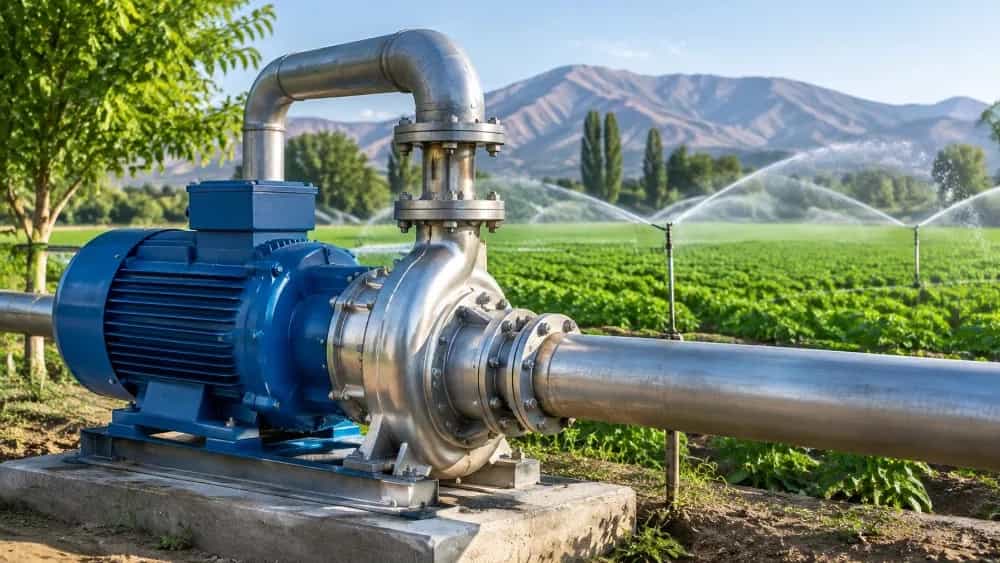
To buy an industrial and agricultural water pump, you must first determine the required flow rate, total head, fluid type, and installation location conditions. Choosing a pump based solely on motor power or price may result in poor drainage, high power consumption, or premature failure. Iran Pump Taherlo by supplying all types of pumps and providing expert advice, helps buyers choose a model that fits the real needs of the project.
What specifications should we check to buy an industrial and agricultural water pump?
The two main criteria for choosing a pump are flow rate and total head; The flow rate shows the volume of water that the pump moves in a certain period of time and determines the head, height and pressure required to transfer water. After determining these two values, you should adapt the type of pump to the conditions of the well or piping network, the type of electricity and water quality.
Before inquiring about the price or choosing a model, prepare the answers to these questions:
- What is the flow rate or volume of water per hour?
- What is the height difference between the water level and the outlet point?
- What is the length, diameter and material of the pipes?
- Is the water clean or does it have suspended particles, mud or corrosive substances?
- Is the electricity at the installation site single-phase or three-phase?
- How many hours a day and under what conditions does the pump work?
This information helps the seller or expert to provide a more accurate proposal and avoid choosing a model that does not have the necessary performance in real conditions.
What is the difference between types of industrial and agricultural water pumps?
Each type of pump is designed for specific working conditions; The submersible pump is usually used for wells and deep wells, while submersible pumps, submersible pumps, skimmers and mud pumps are used in different situations from water supply to fluid discharge. Model selection should be done based on project conditions and pump performance curve, not just engine name or power.
Submersible pump for wells and deep sources
The submersible pump works in water and is used to transfer water from wells and deep sources. When choosing it, consider the diameter of the well, the installation depth, the water level at the time of work, the required flow rate and the final height of the transfer.
For agricultural use, it is not enough to know the depth of the well. The water level drop during pumping and the distance from the well to the place of consumption also affect the choice of model. If the pump is not adapted to the actual conditions of the well, the water flow may decrease or the motor may be under pressure.
Eta and Vakayl pumps for water supply and industrial applications
ETA pumps are used in many water supply systems and general industrial applications. Vakayl pumps can also be an option to consider in projects that require higher pressure and head; But the final choice should be made based on the flow rate and required work head.
In industrial application, in addition to pressure and drainage, the material of body and propeller, fluid temperature, working hours and the possibility of service and supply of parts are important. For water or fluid with special characteristics, be sure to check the manufacturer's specifications and material compatibility.
Skimmer and skimmer for draining and transferring fluids
The squeegee is used to drain water from wells, tanks and flooded places. Sludge remover is suitable for fluids that have suspended particles or solids; The size and type of these particles must be compatible with the permitted specifications of the pump.
Using a skimmer for a fluid that has a lot of particles may damage the impeller and seals. On the other hand, choosing a sludge remover for clean water is not always the most economical option; Determine the type of fluid and usage conditions before purchasing.
Type of pump | Common use | Important point when choosing |
Floating pump | Deep wells and water transfer from underground sources | Well diameter, water level and pumping height |
Eta pump | Water supply and some General industrial applications | Flow, head and installation conditions |
WKL pump | Applications requiring high pressure and head | matching the working point with the pump curve |
scumming | water discharge from a well, tank or pool | working depth, irrigation and limitation Particles |
Sludge | Fluid transport with suspended particles | Type, size and concentration of particles |
Booster Pump | increasing or stabilizing the pressure in the water supply network | consumption flow rate, regulation pressure and number of pumps |
How to calculate flow rate and pump head?
For the initial estimation of the flow rate, divide the required volume of water by the time you consider for its transfer. The total head is not only equal to the difference in vertical height and must also include the drop in the piping path and the necessary pressure at the point of consumption.
Simple Dubai formula:
Flow rate = volume of water ÷ time
General header usually consists of these components:
- Height difference between the water level and the outlet point;
- Pressure drop due to the length and diameter of the pipes;
- Drop created in elbows, valves and connections;
- Required pressure at the end of the path, such as the pressure required for the irrigation system.
So, if the pump needs to deliver water to a higher point, or if the piping route is long and winding, simply knowing the depth of the well is not enough to make a choice. The expert should adapt the pump's working point based on the required flow rate and head with its performance curve.
Practical experience, important points and common mistakes when buying
Before buying, check the piping route and electrical conditions of the installation site and provide the real project information to the consultant. The most common mistakes are selecting the pump based on the engine power only, ignoring the path loss and not paying attention to the type of fluid.
To reduce the chance of making the wrong choice, follow these steps:
- Specify the use: Irrigation, draining, transferring well water or increasing network pressure.
- Estimate the required flow rate: Write down the volume of water and transfer time.
- Calculate the total head: Consider the difference in height, pipe route and output pressure.
- Record the installation conditions: Well diameter, installation space, type of electricity and daily working hours
- Explain the type of fluid: Clean water, water with sand, sludge or industrial fluid have different characteristics.
- Compare the technical specifications: Check the working point, material of parts, maintenance conditions and after-sales service.
A few common mistakes that you should avoid:
- Choosing a pump only according to the motor power: Power alone does not indicate that the pump is performing well in the flow rate and head you need.
- Ignoring piping loss: Narrow pipe, long path and a large number of connections can reduce the actual performance of the system.
- Choosing a pump name according to the type of fluid: Suspended particles or corrosive substances may damage the internal parts of the pump.
- Ignoring electrical panel and motor protection: Protection appropriate to the motor and electrical network conditions will help reduce the risk of electrical damage.
- Purchasing without checking service conditions: Ask about warranty, repair and access to parts before finalizing your purchase.
summary
To buy an industrial and agricultural water pump, first determine the flow rate and total head, and then match the type of pump with the fluid, installation location, and electrical conditions. Comparing models based on specs and operating point provides a safer choice than making a decision based solely on price or engine power. If you need guidance to choose between a submersible pump, ETA, Vakail, skimmer, sludge remover or booster pump, prepare the project specifications and contact Iran Pump Taherlo for expert advice and price inquiry.